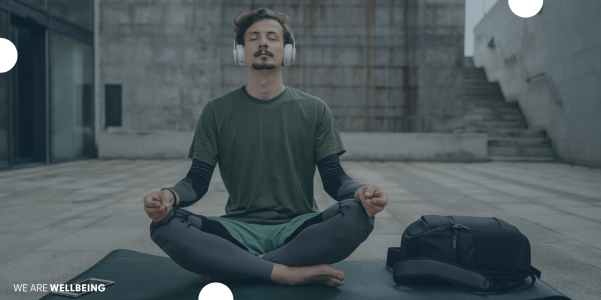
Every August, National Wellness Month encourages us to pause, reflect and consider how well we are looking after our physical, mental and emotional wellbeing.
For employees, self-care can sometimes feel like another task to squeeze into an already busy schedule. Long working hours, competing priorities, family responsibilities and constant digital demands can make it difficult to create time for healthy habits.
However, self-care does not need to involve expensive treatments, lengthy routines or major lifestyle changes. It is about taking consistent, practical steps that protect our energy, manage stress and support long-term health.
Businesses also have an important role to play. While employees are responsible for their own wellbeing choices, organisations can create the conditions, culture and opportunities that make healthier behaviour easier.
Here are five practical ways employees can practise self-care, together with ideas for how employers can support them.
1. Protect Time for Rest and Recovery
Rest is essential for physical health, emotional regulation and sustained performance. Yet many employees work through lunch, check emails late at night or feel guilty for taking proper breaks.
Employees can support their recovery by stepping away from their desks, taking their full lunch break, using annual leave and creating clear boundaries around working hours.
Even brief pauses can help. A five-minute screen break, a short walk or a few slow breaths between meetings can reduce feelings of pressure and help employees return to their work with greater focus.
How businesses can help
Managers should role-model healthy working behaviours by taking breaks, using annual leave and avoiding unnecessary out-of-hours communication. Businesses can also review workloads, encourage meeting-free periods and make it clear that rest is a performance enabler rather than a sign of poor commitment.
2. Move More Throughout the Day
Physical activity supports cardiovascular health, energy, sleep, mood and stress management. Self-care does not have to mean completing an intense workout every day. Regular, achievable movement is often more sustainable.
Employees could take a lunchtime walk, use the stairs, stand during phone calls, stretch between tasks or arrange walking meetings. The goal is to reduce prolonged periods of inactivity and find forms of movement that feel enjoyable.
How businesses can help
Employers can promote active breaks, provide access to cycle-to-work schemes, organise walking challenges or include short movement sessions within wellbeing days. Leaders should also reassure employees that taking a short movement break is acceptable and encouraged.
3. Pay Attention to Physical Health
Many health risks can develop gradually and without obvious symptoms. Blood pressure, cholesterol, blood glucose, body composition and cardiovascular risk can all be affected by everyday habits.
Employees can practise self-care by attending routine medical appointments, understanding their personal health numbers and seeking professional advice when something does not feel right.
Self-care is not about becoming anxious or overly focused on health. It is about having enough information to make informed choices and take action early when needed.
How businesses can help
On-site health checks make preventative health support convenient and accessible. Employees can receive confidential measurements, personalised feedback and appropriate signposting without needing to arrange a separate appointment away from work.
Businesses can also provide educational webinars on heart health, nutrition, sleep, men’s health, women’s health and other relevant topics.
4. Strengthen Social Connections
Self-care is sometimes presented as something people must do alone. In reality, healthy relationships and meaningful social connections are central to wellbeing.
Employees can support themselves by speaking to trusted colleagues, staying connected with family and friends, joining workplace activities or asking for help when they are struggling.
A simple conversation can reduce isolation and remind someone that they do not have to manage every challenge by themselves.
How businesses can help
Organisations can create opportunities for connection through team check-ins, peer networks, wellbeing champions and inclusive social activities. Managers can also increase their approachability by regularly asking employees how they are and listening without immediately trying to solve the problem.
Psychological safety is particularly important. Employees should feel able to raise concerns, ask questions and discuss challenges without fear of judgement.
5. Set Healthy Digital Boundaries
Technology allows people to work flexibly, but it can also make it harder to switch off. Constant notifications, back-to-back video calls and the expectation of immediate responses can contribute to mental fatigue.
Employees can practise digital self-care by turning off non-essential notifications, taking screen breaks and avoiding work emails outside their agreed working hours. Creating a short transition routine at the end of the day can also help separate work from home life.
How businesses can help
Employers should set clear expectations about response times and out-of-hours communication. Managers can reduce unnecessary meetings, avoid copying employees into irrelevant email chains and consider whether every message genuinely requires an immediate response.
Behaviour Change and the 8×6 Principle
Knowing what supports our wellbeing is not always enough to change our behaviour.
Most people understand that sleep, movement, balanced nutrition and stress management are important. The challenge is turning that knowledge into consistent action.
Large or unrealistic goals can quickly become overwhelming. An employee may decide to exercise every day, completely change their diet and improve their sleep routine at the same time. When life becomes busy, these new habits can be difficult to maintain.
At We Are Wellbeing, we encourage people to use the 8×6 Principle.
The idea is simple: there are approximately eight six-week blocks within a year. During each block, an individual focuses on one manageable wellbeing change.
This could include:
- Taking a 30-minute walk three times per week
- Eating an additional portion of fruit or vegetables each day
- Reducing caffeine after lunchtime
- Creating a consistent bedtime routine
- Completing five minutes of mindfulness each morning
- Reconnecting with a friend once a week
Six weeks gives employees enough time to practise a behaviour, review what works and make adjustments. By focusing on one change at a time, the process feels more achievable and less overwhelming.
Businesses can support the 8×6 Principle by running six-week wellbeing campaigns, providing regular educational content and encouraging employees to choose their own personal goals. Managers should focus on encouragement rather than monitoring, allowing employees to take ownership of their wellbeing.
Creating a Culture of Sustainable Wellbeing
National Wellness Month is a valuable opportunity to start conversations, but workplace wellbeing should continue throughout the year.
The most effective wellbeing strategies combine personal accountability with organisational support. Employees need practical tools, reliable information and the confidence to make healthier choices. Businesses need to ensure that workloads, management practices and workplace culture do not create barriers to those choices.
At We Are Wellbeing, we help organisations turn wellbeing awareness into meaningful action through engaging Wellbeing Webinars and confidential on-site health checks.
Our on-site health checks help employees understand important health measurements and receive personalised guidance, while our webinars provide practical education on topics including stress, sleep, nutrition, physical activity, mental health and healthy behaviour change.
Make National Wellness Month the starting point for a healthier, more informed and more supported workforce. Contact We Are Wellbeing today to book on-site health checks or explore our programme of Wellbeing Webinars.